
Designer furniture in Malaysia is worth buying when the piece is built from solid wood, joined properly, and scaled for your actual room. The price reflects materials and craftsmanship, not just a name on a label. This guide covers what separates true designer pieces from dressed-up mass production, how local makers stack up against imports, and the exact details to inspect before you commit. Are you comparing providers and close to buying? Then the goal here is simple: help you spend once and spend well.
What Makes Designer Furniture Cost More?
Designer furniture costs more because of what goes into it: solid hardwood rather than veneered particleboard, joints that are cut and fitted rather than stapled, finishes applied in multiple passes, and lower production runs that leave room for care. A mass-market sofa or table is engineered to hit a price. A designer piece is engineered to last and to look right in a considered room.
The material gap is the biggest driver. Particleboard and MDF pieces are cheaper up front, but they cannot be structurally repaired once a fastener strips or a panel swells. Solid wood can be sanded, re-glued, and tightened for decades. When you divide the purchase price by the years of use, the designer piece often wins on cost, not just on looks.
There is also the design work itself. Getting proportions, seat depth, table height, and sightlines right takes iteration. That effort is invisible when it works and glaring when it does not. Nicchris treats this as the core of the job rather than an afterthought, which is why its sofas and dining tables read as calm and intentional rather than busy.
How Do Malaysian-Made Pieces Compare to Imports?
Malaysian-made designer furniture competes directly with imports on build quality, and the country's manufacturing depth is the reason. As of May 2024, wooden furniture was the single highest-value category in Malaysia's timber exports at RM4.01 billion, part of RM9.69 billion in total timber and timber-product exports, a 17.2% rise on the same period in 2022 (BERNAMA, citing the Malaysian Timber Industry Board, 2024).
That scale matters to you as a buyer. Malaysia exports wood-based products to more than 173 countries, which means the workshops here already build to the standards demanded by fussy overseas markets (BERNAMA/MTIB, 2024). Buying local lets you tap that same craftsmanship without the import markup.
The practical advantages stack up. Local production means shorter lead times and no weeks lost to shipping. Repairs and replacements are far simpler when the maker is in the same country. And a Malaysian maker understands local humidity, room sizes, and how families actually use a dining table here. An imported designer name carries prestige, but on the things that decide whether you enjoy the piece for years, a strong local maker is frequently the smarter buy.
Which Materials, Joints, and Finishes Should You Inspect?
The fastest way to judge a piece is to inspect its joinery, wood type, and finish, because these three things predict how long it survives. Start with the joints. On tables and chair frames, look for mortise-and-tenon construction, where a tongue of wood seats into a matching cavity and locks the frame mechanically. On drawers, look for dovetails, the interlocking pins that resist being pulled apart. These joints let furniture be tightened and repaired over decades instead of failing at a glued butt joint.
Next, confirm the wood. Solid hardwood should feel dense and show continuous grain that wraps around edges, not a printed pattern that stops at a seam. Rubberwood is common and genuinely good: a medium-density Malaysian hardwood that takes stain evenly and comes from rubber trees retired from latex production. It delivers real solid-wood performance at a sensible price.
Finish is the third tell. Run your hand across the surface and along the underside. A quality finish is smooth and consistent even where nobody looks, with no rough patches or drips. If a maker cuts corners, the hidden faces are where you find it.
Certification closes the loop on materials. An FSC or MTCC label means the timber is traceable to responsibly managed forests. You can check what the Forest Stewardship Council labels actually promise on the FSC's official guide to its label types, which is useful when a seller is vague about sourcing.
Matching Designer Furniture to a Modern Malaysian Home
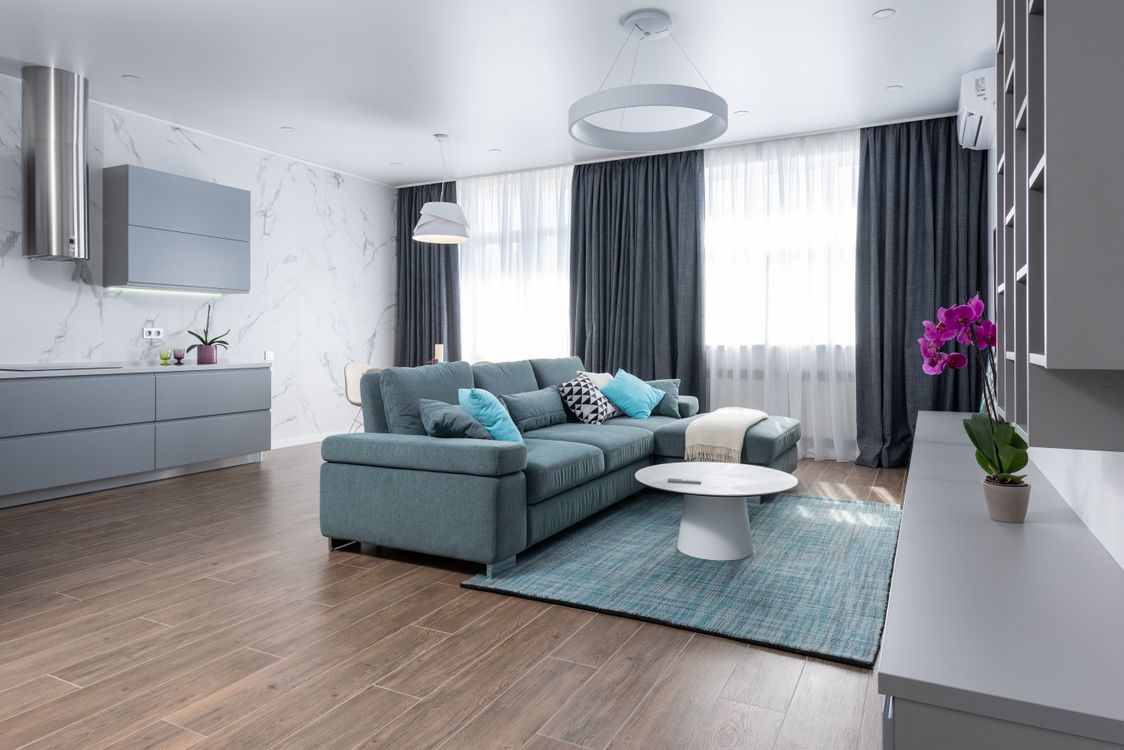
Matching furniture to a modern Malaysian home comes down to scale first, then function. Many urban homes here are condos and apartments. Floor space is tight, and lifts are often small. A beautiful sofa is a poor buy if it swallows the room or cannot even reach your unit. So measure the space, the doorways, and the lift before you fall for anything.
Once scale is right, let each piece earn its footprint. Extendable dining tables handle both weeknight dinners and guests. Storage-integrated seating hides clutter. Slim-armed sofas free up walking room without sacrificing comfort. In a compact home, restraint reads as luxury, so favour clean silhouettes over bulky ornamentation.
Think in terms of fewer, better pieces. A cohesive set of well-made items looks more considered than a room crowded with bargains, and it survives the moves that come with renting or upgrading. Designer furniture rewards this approach because the pieces are built to move with you rather than be discarded.
How Does Nicchris Design for Local Living?
Nicchris designs for how Malaysians actually live, which shows up in the proportions, materials, and range. Its sofas, dining tables, and chairs are built around contemporary local homes, with sizing that suits condos and terraces rather than oversized showroom fantasies. The pieces lean modern and understated, so they settle into a room instead of competing with it.
Being a Malaysian maker is the quiet advantage. Nicchris builds with materials suited to the local climate, keeps lead times short, and stays reachable if something needs attention down the line. For a buyer weighing an imported label against a local one, that combination of considered design, solid construction, and local support is exactly where a homegrown brand pulls ahead.
If you are ready to move from browsing to choosing, start by measuring your main room and drawing a rough layout, then shortlist pieces by the joinery and materials described above. Bring those measurements when you visit a maker like Nicchris, and you will buy with confidence rather than hope.