Loose furniture is any freestanding piece you can move, rearrange or take with you: sofas, dining tables, chairs, beds and sideboards that sit in a room rather than being fixed to it. That single quality, the ability to move it, is what separates loose furniture from the built-in joinery screwed into your walls and floors.
For Malaysian homes, this distinction shapes almost every furnishing decision. Whether you rent a condo in Petaling Jaya or own a terrace house in Johor, knowing which pieces stay with the building and which stay with you helps you spend wisely and avoid regret.
What Does Loose Furniture Mean Compared to Built-In?
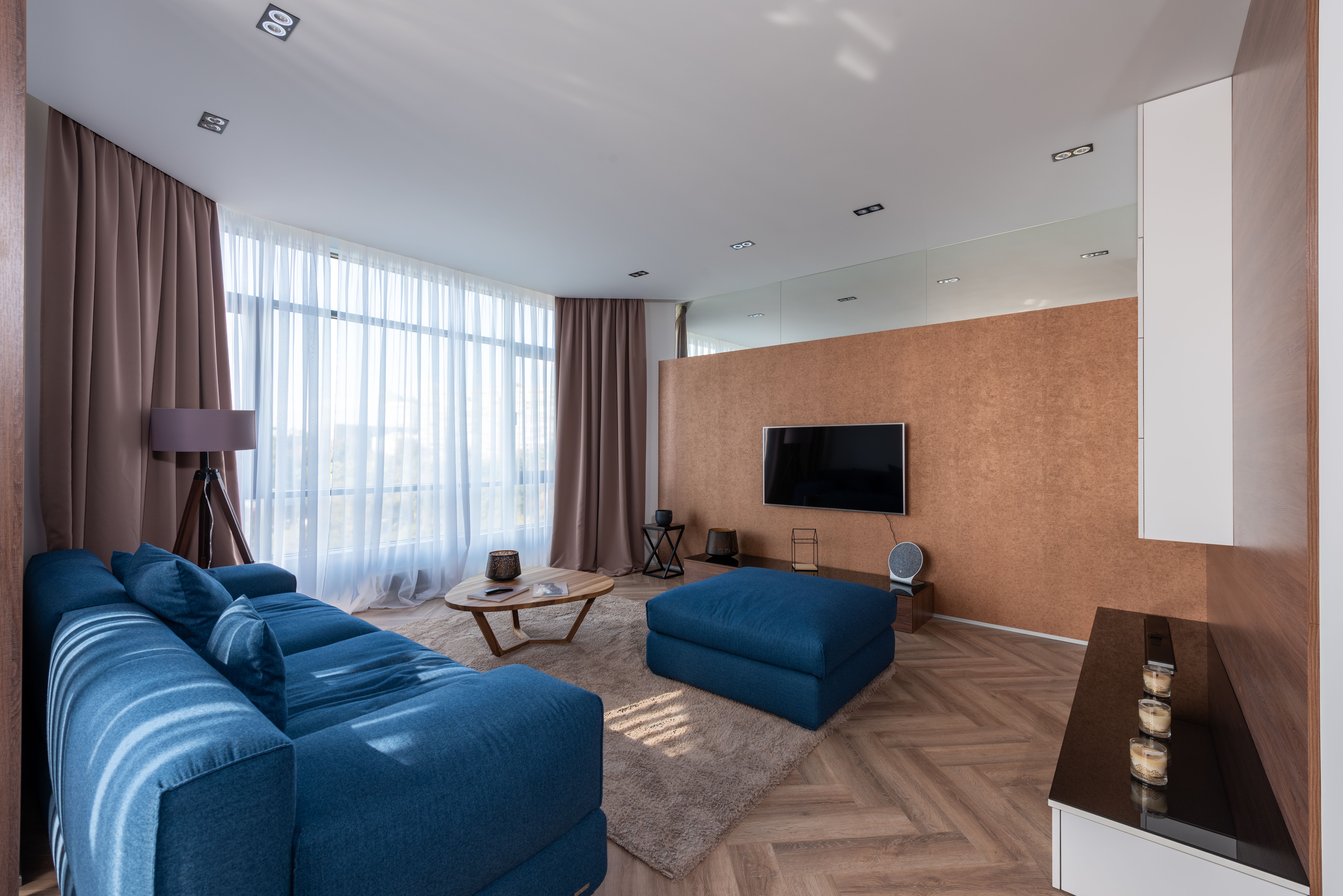
Loose furniture is freestanding and portable; built-in furniture is fixed to the structure. A loose sofa, dining set or bookshelf can be slid across a room, sold second-hand or loaded onto a lorry when you relocate. Built-in joinery, such as a fitted wardrobe or a carpentry TV feature wall, is custom-made for one spot and stays there.
The practical difference comes down to ownership and flexibility. Built-in work is usually part of a renovation contract, so it belongs to the property. Loose furniture belongs to you.
Common loose furniture pieces
- Sofas, armchairs and ottomans
- Dining tables and chairs
- Coffee tables, side tables and console tables
- Freestanding beds, bedside tables and dressers
- Sideboards and shelving units
Common built-in elements
- Kitchen cabinetry and countertops
- Fitted wardrobes and walk-in closet systems
- Carpentry TV walls and feature panels
- Built-in study desks and bay-window seating
Here is a simple test. If a mover could carry it out without a contractor, it is loose furniture.
What Are the Pros and Cons for Renters and Owners?
The balance between loose furniture and built-in depends heavily on whether you rent or own. In 2024, 78.0% of Malaysian households owned their homes while 19.7% rented, according to the Department of Statistics Malaysia (DOSM Basic Amenities Survey 2024). Both groups gain from loose pieces, but for different reasons.
For renters, loose furniture is the sensible default. You cannot drill fitted wardrobes into a unit you do not own, and most tenancy agreements forbid structural changes. Loose pieces let you furnish a rental fully, then take everything with you at the end of the lease. This matters as more young Malaysians move into high-rise living, where leases turn over often.
Renter advantages
- Nothing is lost to the landlord when the lease ends
- Easy to downsize or upsize between units
- No renovation deposit or make-good costs at move-out
- Pieces can be resold if your style or budget changes
Owner considerations
Owners have more freedom, so the question becomes where fixed joinery earns its keep. Built-in storage uses awkward corners and full-height walls efficiently, which loose cabinets cannot always match. The trade-off is cost and permanence: joinery is harder to change and adds little resale value if tastes shift.
Many owners land on a blend. They commit to built-in storage in kitchens and bedrooms, then keep living and dining areas loose so the home can evolve as family needs change.
How Do You Plan Loose Furniture for a New Home?
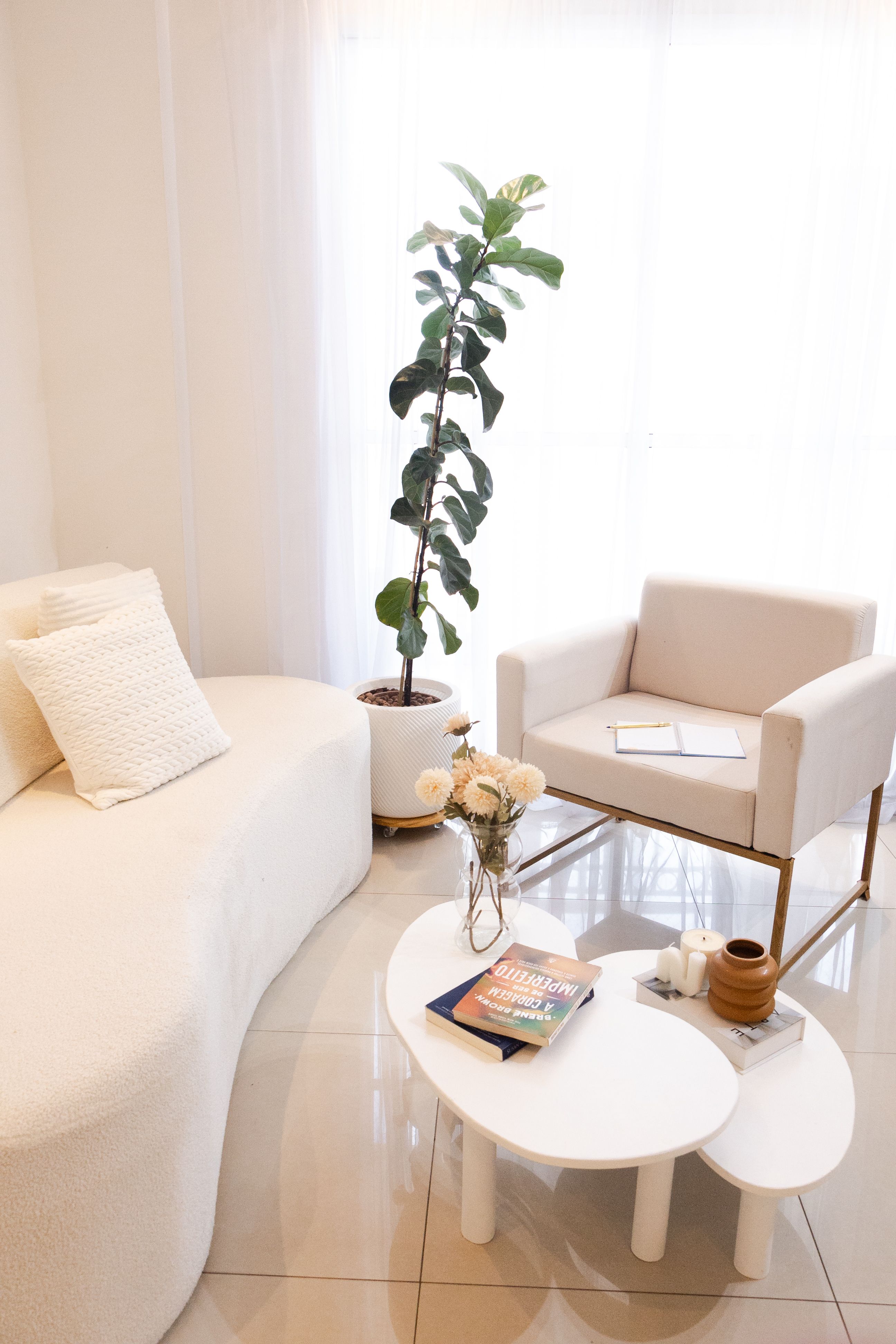
Start with circulation and anchor pieces, not with filling every corner. Walk each room and map the main walking paths first, then place the largest loose piece, usually the sofa or the bed, before anything else. Everything smaller arranges around those anchors.
Scale is the most common mistake in Malaysian homes, where high-rise units often have compact floor plans. A sofa sized for a show unit can swallow a real living room. Measure twice. Mark the footprint with masking tape on the floor, then leave at least 60 to 90 cm for walkways. For room-by-room arrangement ideas, see our guide to living room furniture ideas for Malaysian homes.
A simple planning sequence
- Measure each room and note doors, windows and power points
- List the daily-use anchors every room genuinely needs
- Choose anchor pieces first, then supporting pieces later
- Leave clear circulation paths before adding accents
- Buy in phases so you learn how you really use the space
Phasing your purchases also protects your budget. If you own your home, you can invest gradually in quality pieces that move with you through different life stages.
How Do You Mix Loose Pieces With Fitted Joinery?
The reliable rule is to fix what rarely changes and keep loose what often does. Storage needs tend to be stable, so wardrobes, kitchen cabinets and a main TV wall are natural candidates for built-in joinery. Seating, dining and accent pieces change with family size, trends and mood, so those stay loose.
Material and tone are what make the two read as one scheme. Match or deliberately contrast the wood tones, metals and upholstery across fixed and loose elements so the room feels designed rather than assembled. A walnut TV cabinet, for example, pairs cleanly with a loose sofa in a complementary neutral.
Where each approach works best
| Area | Usually built-in | Usually loose |
|---|---|---|
| Kitchen | Cabinets, counters | Bar stools, island cart |
| Bedroom | Wardrobe | Bed, bedside tables, dresser |
| Living | TV feature wall | Sofa, coffee table, armchairs |
| Dining | Feature shelving | Dining table and chairs |
Leaving the sofa and dining set loose means you can refresh the look without touching a contractor. A loose cabinet can even stand in for a fixed carpentry feature wall, giving you the same storage without the permanence.
What Are the Loose Furniture Essentials From Nicchris?
A well-furnished Malaysian home usually rests on four loose anchors: a sofa, a dining table with chairs, a bed and at least one storage piece. Get these right and the rest of the room follows. Nicchris designs and makes each of these as modern, freestanding pieces built for local homes and climate.
For the living room, the sofa is the single most-used item in the house, so it deserves the most thought on size, depth and fabric. Dining sets come next, since shared meals anchor family life, and a table sized to your real room keeps the space usable day to day.
The core loose pieces
- A sofa scaled to your room, not the showroom floor
- A dining table and chairs that match your household size
- A bed and bedside storage
- A sideboard or shelving unit for flexible, moveable storage
These pieces move with you between rentals or homes, which is the whole point of buying loose. Because they are freestanding, you can rearrange them seasonally or carry them to a new unit without losing a cent to renovation. To go deeper on the most important anchor, read our guide to choosing a modern sofa in Malaysia.
Treat your first loose furniture purchase as the backbone of the room: measure the space, pick one quality anchor piece, and build outward from there as you learn how you actually live in your home.