Why a Bench Might Be the Most Versatile Piece of Furniture in Your Home
When people think about furnishing a home, the focus usually falls on the larger pieces. The dining table becomes the gathering place for family meals. The sofa anchors the living room. The bed shapes how a bedroom feels and functions.
Yet one of the most useful pieces in a home often receives far less attention: the bench.
Perhaps it's because a bench doesn't demand attention in the way a statement sofa or dining table does. Instead, it quietly adapts to different spaces and different stages of life, making it one of the most versatile furniture pieces you can own.
Why People Choose a Bench
One reason benches remain relevant is their flexibility.
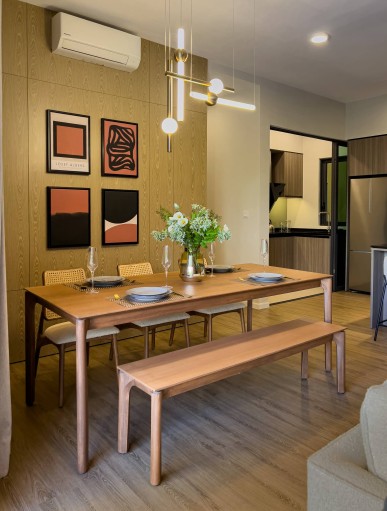
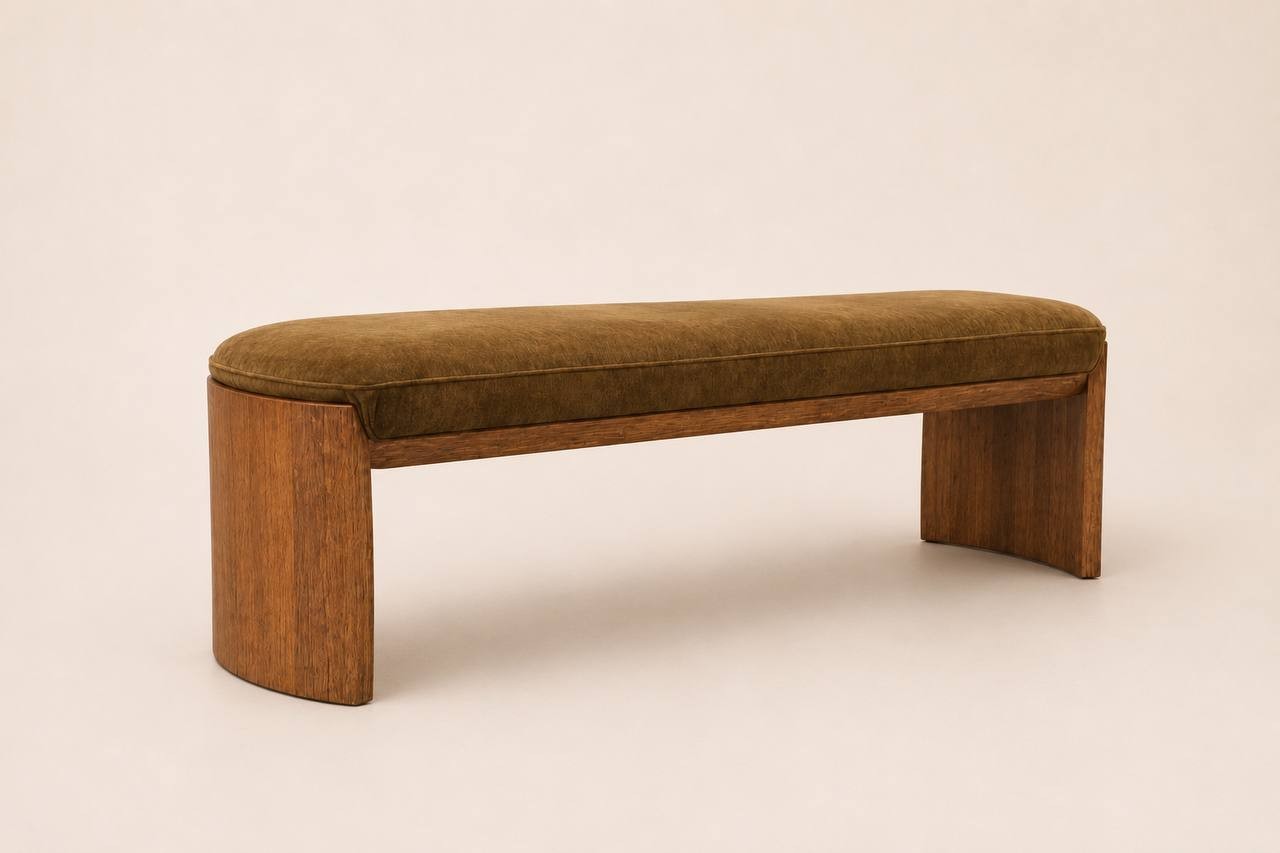
Unlike furniture designed for a single purpose, a bench can move throughout a home over the years. A dining bench might begin its life around a dining table, then find a new role in an entryway, hallway or bedroom as a family's needs change.
This adaptability is particularly valuable in Malaysian homes, where lifestyles and living spaces vary considerably. Whether it's a condominium in Kuala Lumpur, a terrace house in Shah Alam, a heritage home in Penang or a family residence in Johor Bahru, furniture that serves more than one purpose often proves to be the most useful investment.
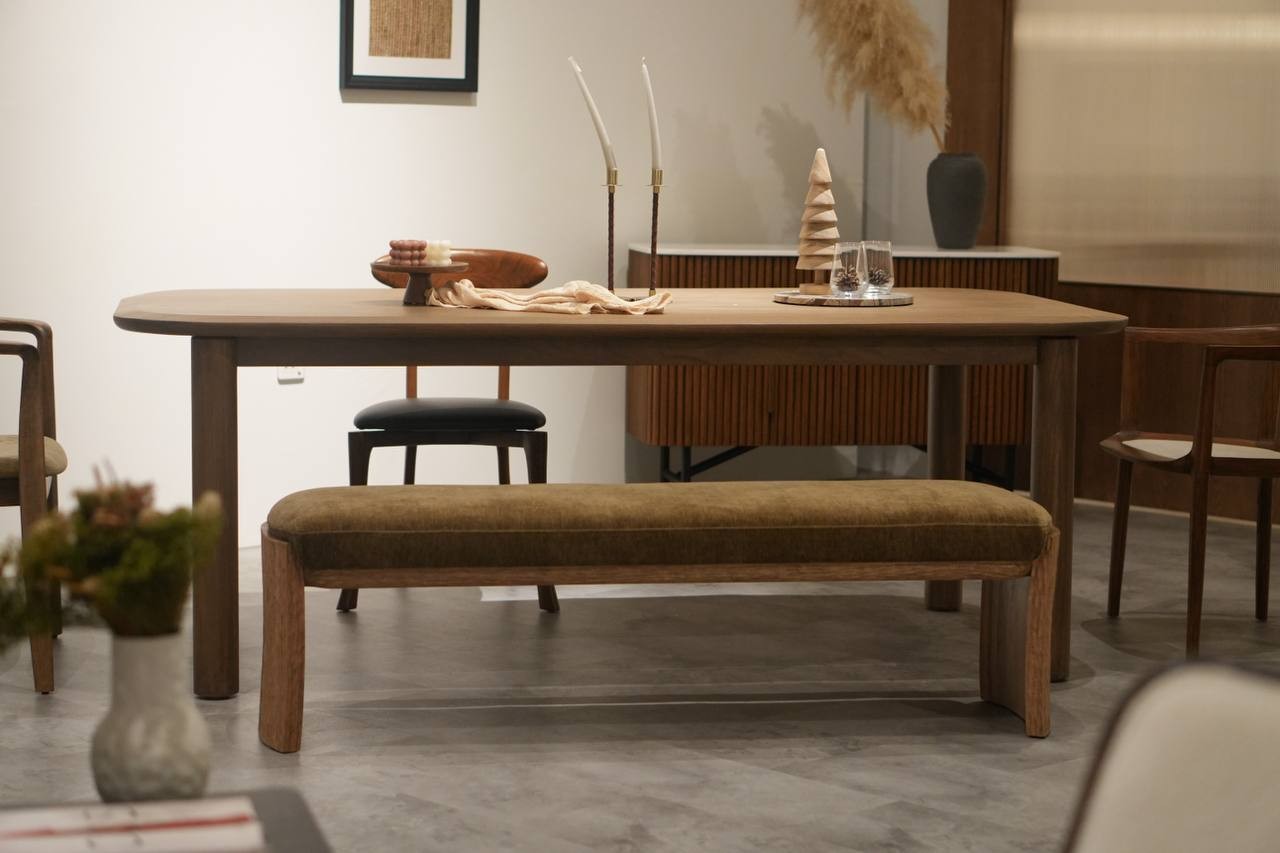
A bench also creates a different social dynamic. Around a dining table, it encourages a more relaxed and communal atmosphere. Families can sit closer together, and there's often greater flexibility when accommodating additional guests during gatherings and celebrations.
Practical Uses in Modern Malaysian Homes
Most people associate a bench with dining spaces, but that's only one of many possibilities.
An entryway bench provides a convenient place to sit while putting on shoes before leaving the house. In busy households, it quickly becomes one of the most frequently used pieces of furniture.
In a hallway, a wooden bench can help soften a long circulation space that might otherwise feel empty. Add a piece of artwork above it or position it beneath a window, and it immediately creates a more welcoming environment.
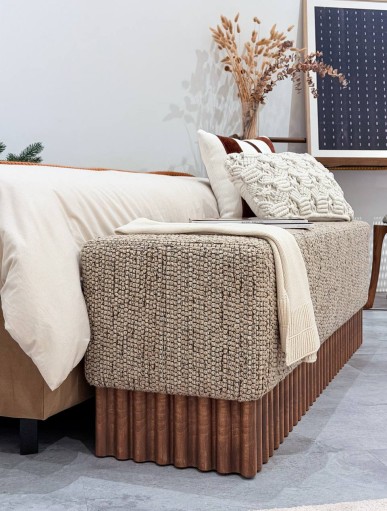
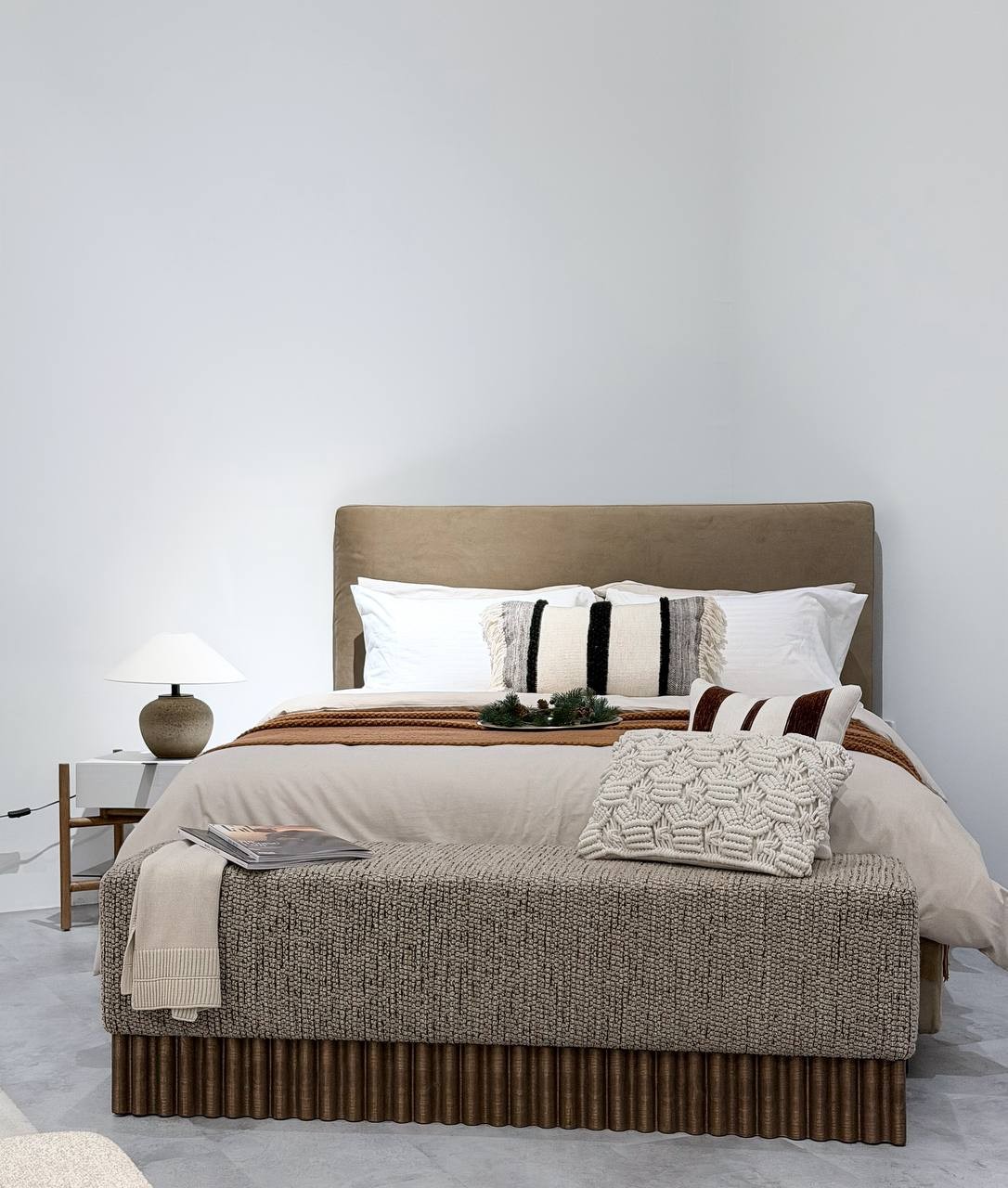
Bedrooms benefit from benches too. Placed at the foot of a bed, a bench offers a practical spot for bags, cushions or clothing without introducing visual clutter.
Across Malaysia, benches continue to find new uses. In compact city apartments where every square foot matters, a bench can provide flexible seating without overwhelming the room. In larger landed homes in places such as Ipoh, Kota Kinabalu or Johor Bahru, benches are often used in foyers, family areas and covered outdoor spaces where additional seating is always useful.
Some homeowners even use a solid wood bench as occasional seating in living rooms. During festive gatherings, family reunions or open houses, the extra seating often proves invaluable.
The beauty of a bench lies in its willingness to adapt. It doesn't insist on one role. It simply goes where it's needed.
Design Considerations
A well-designed bench should feel intentional rather than temporary.
Proportion is one of the most important considerations. A bench that's too bulky can overwhelm a room, while one that's too small may appear disconnected from its surroundings.
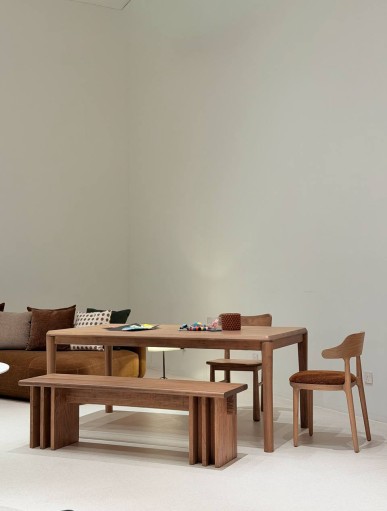
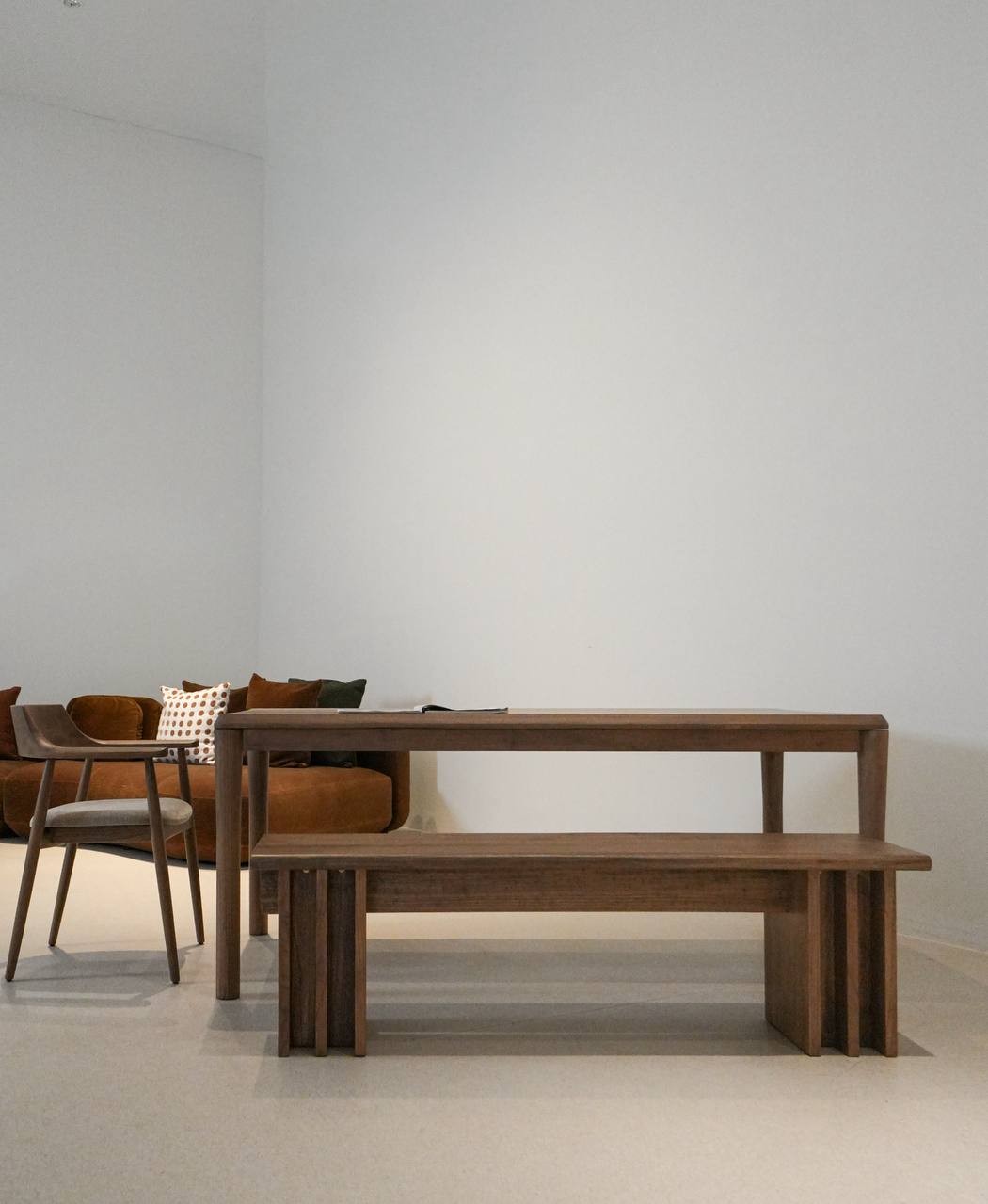
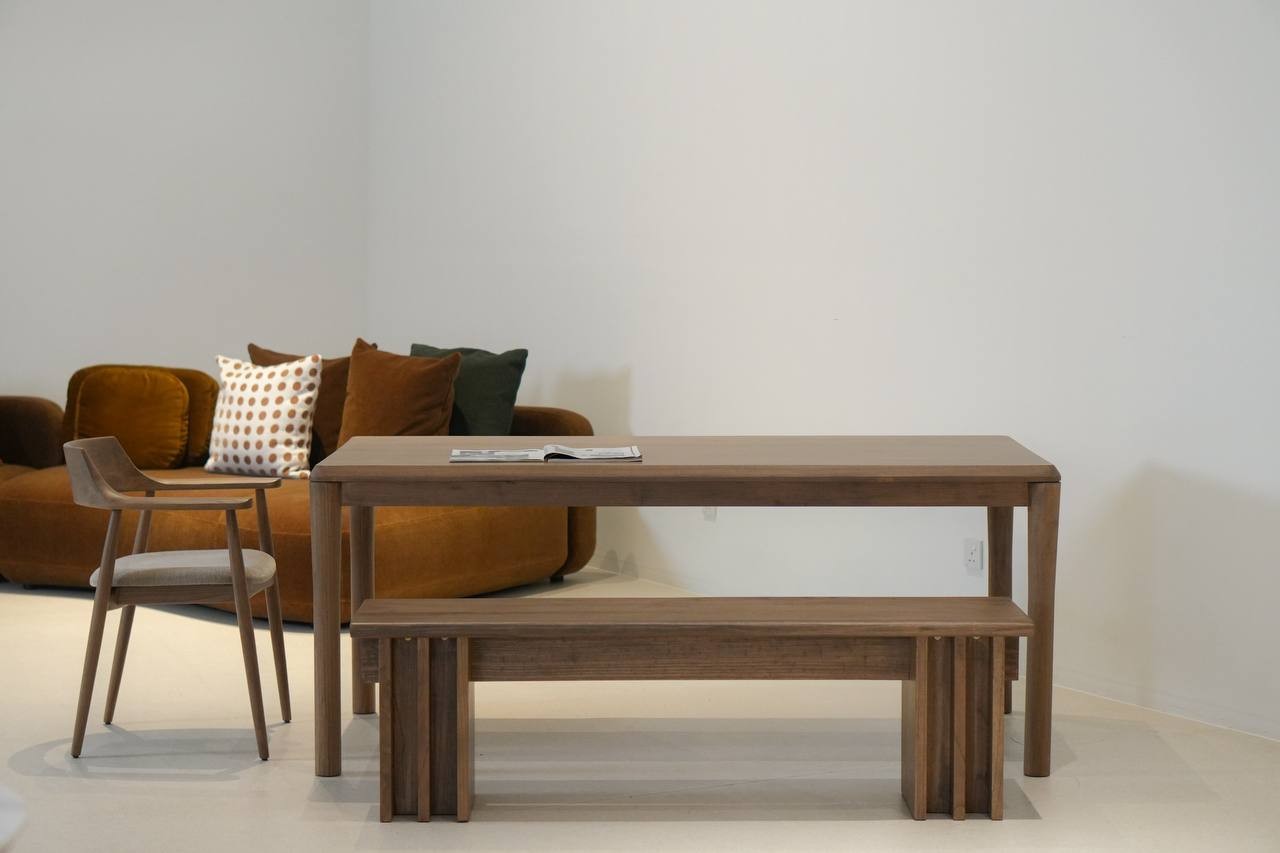
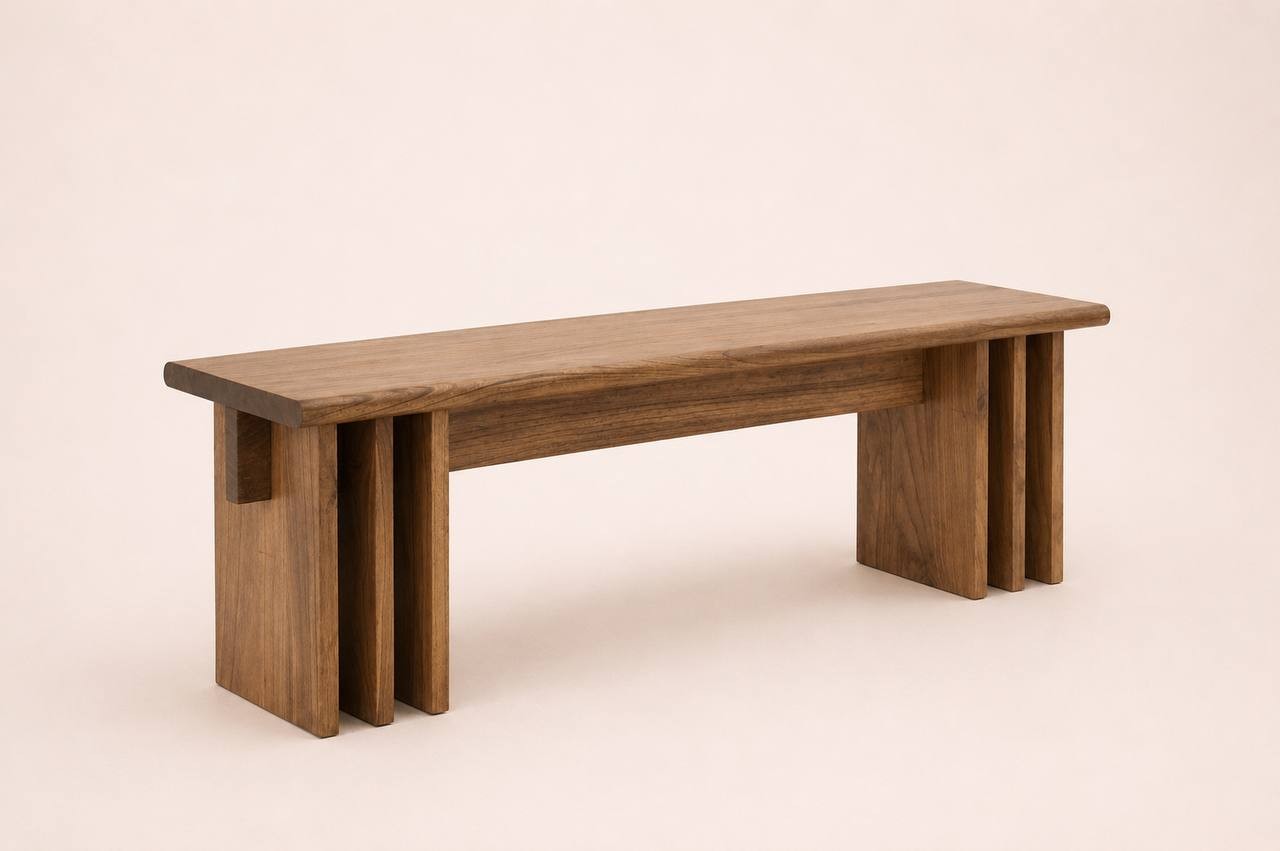
For dining spaces, bench height should work comfortably with the dining table. The length should also be carefully considered. Some homeowners prefer a bench that sits neatly between table legs, while others enjoy a longer piece that creates a stronger visual presence.
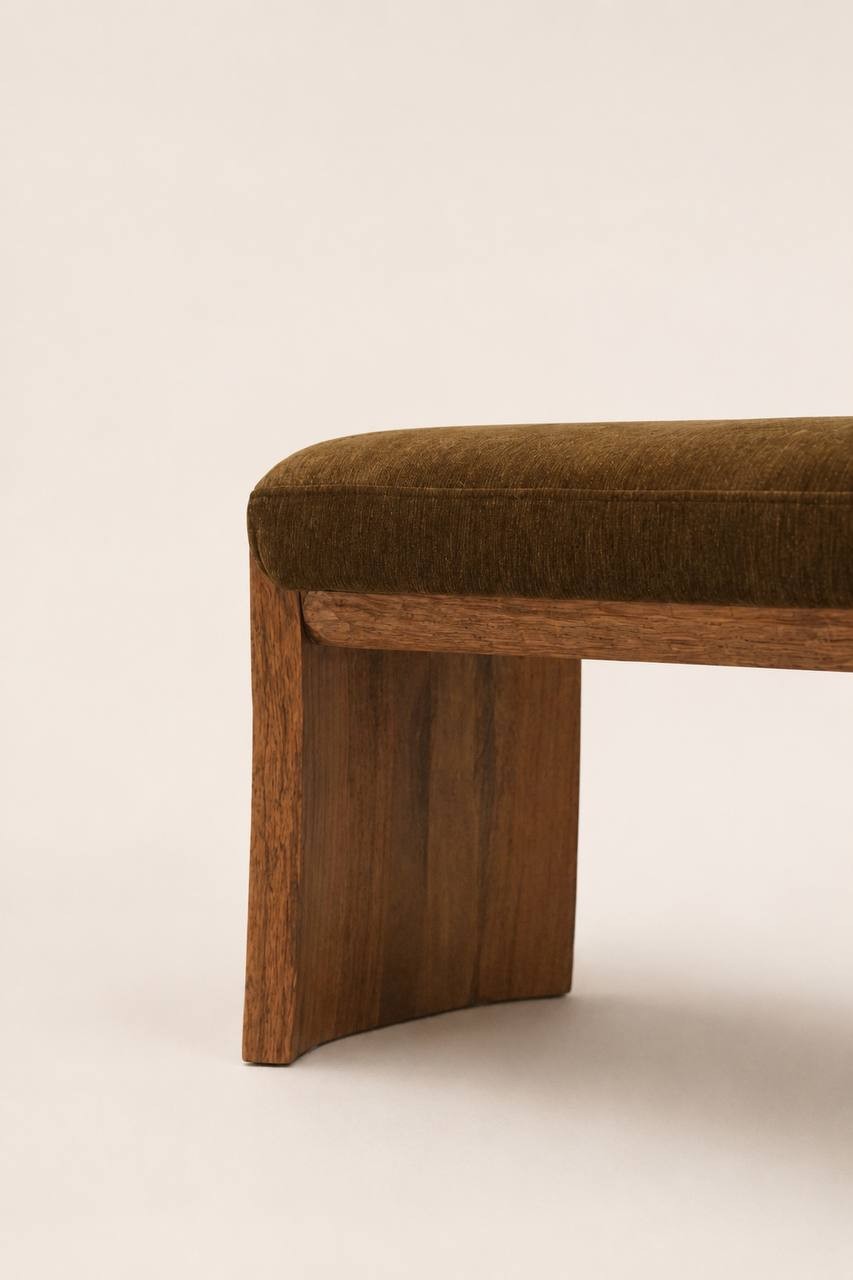
Material and form also influence how versatile a bench becomes. Simpler silhouettes tend to move more easily between different spaces and interior styles. This is why many contemporary benches focus on clean lines and honest materials rather than decorative details.
A bench doesn't need to be complicated to be memorable. In many cases, restraint is what allows it to remain useful for years.
Materials and Craftsmanship
When choosing a bench, material matters.
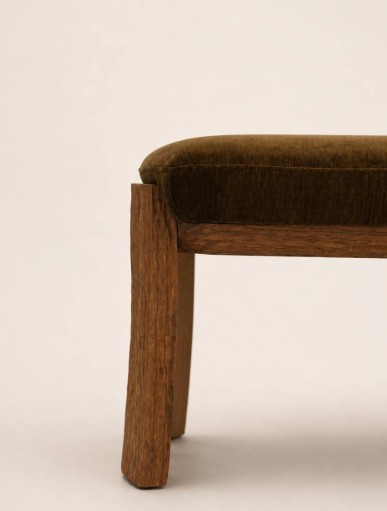
Solid wood benches continue to be a favourite among homeowners because they age naturally and develop character over time. Small marks, subtle colour changes and everyday wear become part of the story of the piece rather than flaws to be hidden.
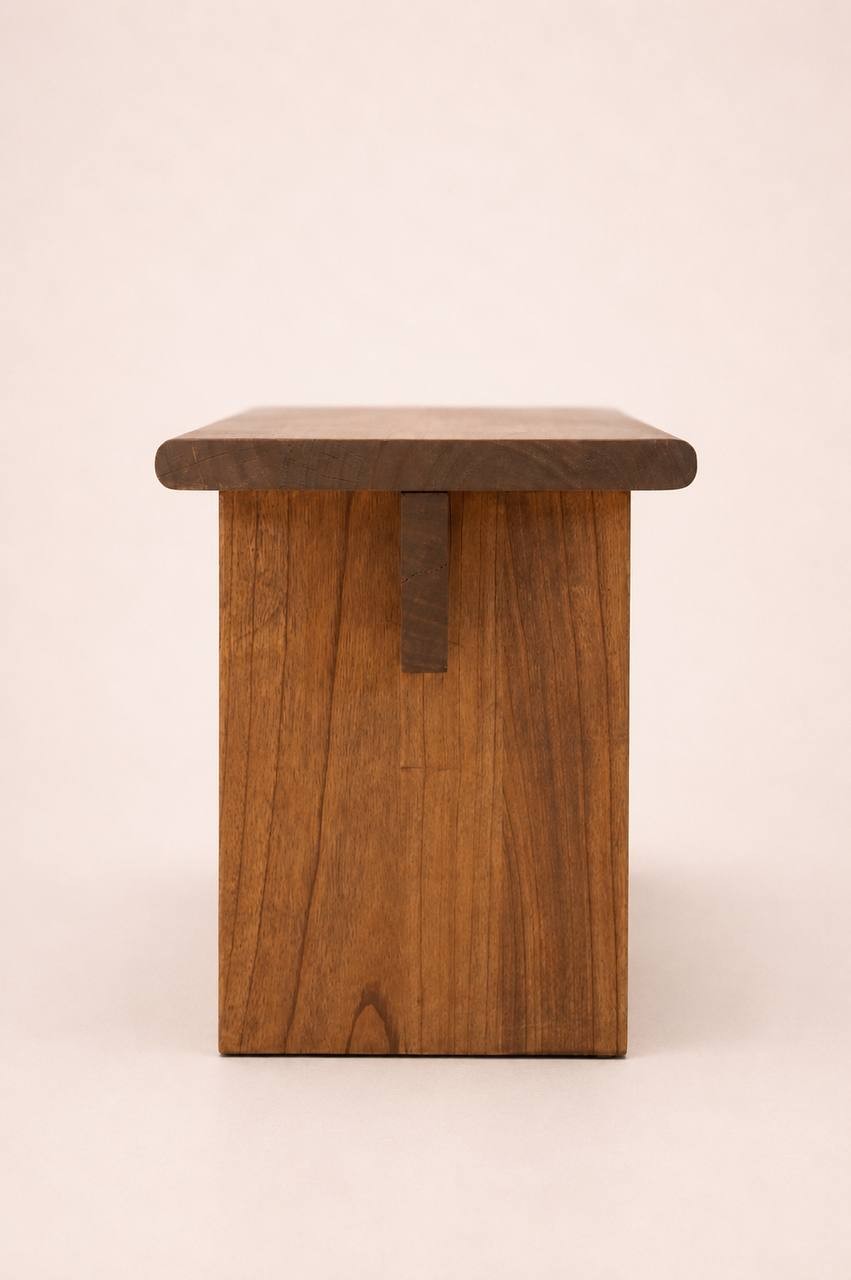
In Malaysia's tropical climate, quality construction is equally important. Proper joinery, thoughtful timber selection and attention to structural details all contribute to the longevity of a bench.
A well-made wooden bench should feel sturdy and reassuring. It should support daily use without feeling fragile or temporary.
Perhaps more importantly, solid wood introduces warmth into a home. Whether paired with contemporary interiors, modern apartments or traditional residences, timber brings a natural texture that helps spaces feel lived-in and welcoming.
Conclusion
The best furniture pieces are often the ones that continue to find new purpose over time.
A bench may begin as dining seating, become an entryway companion, move into a hallway or eventually settle at the foot of a bed. Few pieces of furniture transition between spaces as effortlessly.
Its versatility, practicality and understated presence are precisely what make it so valuable. While it may not always be the first item people think about when furnishing a home, it is often the piece they find themselves using every day.
Sometimes the most useful furniture isn't the most complicated. It's the piece that quietly adapts, supports daily life and remains relevant no matter how a home evolves.