Do Dining Chairs Have to Match?
For many years, the traditional approach to furnishing a dining room was simple: buy a dining table and purchase six or eight matching chairs to go with it.
Today, that approach is no longer the only option.
As homes become more personal and less formal, many homeowners are moving away from perfectly matched dining sets in favour of combinations that feel more collected and reflective of their own style. This raises a common question: do dining chairs actually have to match?
The short answer is no.
In fact, some of the most interesting dining spaces are created when chairs, benches and tables work together without being identical.
Why Matching Dining Chairs Became the Norm
Matching dining chairs became popular because they create a sense of order and consistency. When every chair shares the same design, material and finish, the dining space feels cohesive and predictable.
For many homeowners, this remains a practical choice. Matching chairs are easy to visualise, simple to purchase and create a balanced appearance around the table.
There's nothing wrong with this approach. A well-designed dining table paired with matching chairs can feel calm, intentional and welcoming.
However, matching doesn't necessarily mean better.
The Rise of the Mix-and-Match Dining Room
Interior designers have increasingly embraced a more relaxed approach to dining spaces.
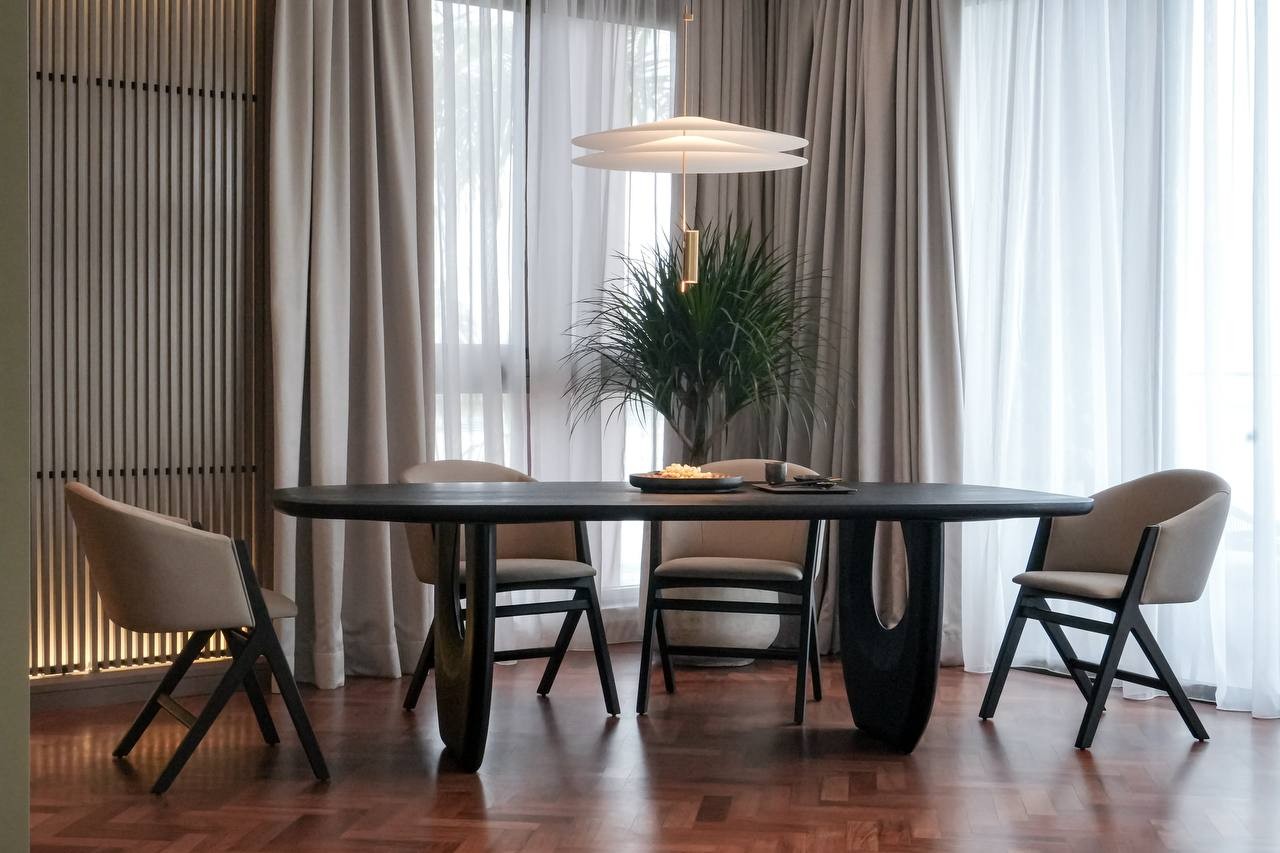
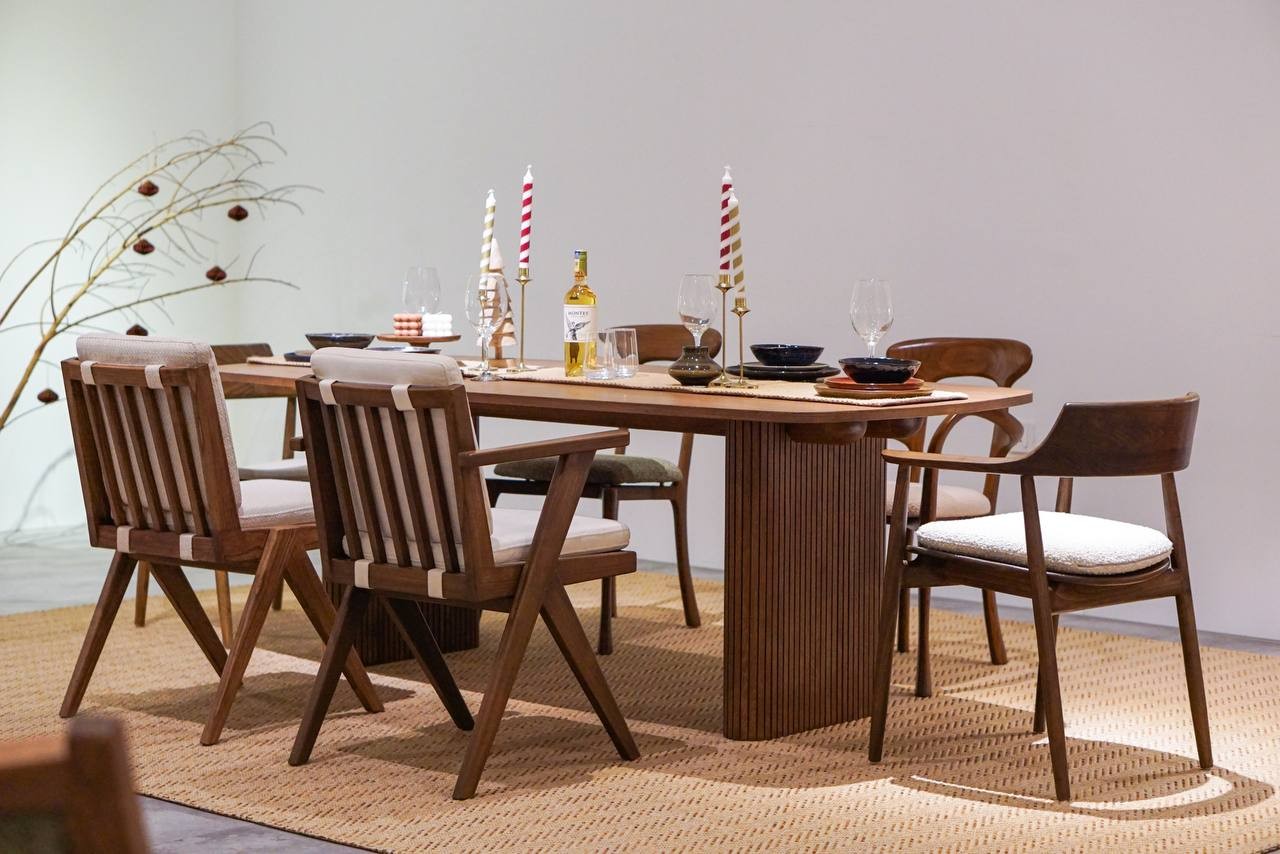
Rather than treating every chair as identical, many modern dining rooms combine different chair styles, materials or seating arrangements. This creates visual interest while allowing homeowners to express more personality.
One of the most common examples is using armchairs at the ends of the dining table and side chairs along the sides. The chairs are different, yet the overall composition remains balanced.
Another popular approach is pairing a dining bench on one side of the table with dining chairs on the other. This works particularly well in family homes, where flexibility and seating capacity are often priorities.
The goal isn't to make everything match perfectly. The goal is to create a dining setting that feels connected.
What Should Match Instead?
If dining chairs don't have to match, what should?
The answer is proportion.
A dining space feels successful when the various elements share a similar visual weight and scale. Chairs may differ in shape, but they should feel comfortable around the same table.
Materials can also help create cohesion. For example, chairs with different silhouettes may still feel related if they share the same timber finish, upholstery colour or design language.
Think of it as a family rather than identical twins. Each piece can have its own character while still belonging to the same conversation.
Start with the Dining Table
One of the most common mistakes homeowners make is choosing dining chairs before selecting a dining table.
In reality, the dining table should almost always come first. It determines the size of the dining area, the number of seats required and the overall proportions of the dining setting. Once the table is decided, choosing suitable dining chairs becomes much easier.
Chair height is particularly important. Most dining tables are approximately 75cm to 76cm high, while the ideal dining chair seat height is typically between 44cm and 45cm. This creates a comfortable clearance between the seat and the tabletop, allowing diners to sit naturally without feeling cramped.
A chair that is too high can make the table feel restrictive, while a chair that is too low often results in an awkward dining experience. Comfort isn't only about cushioning or upholstery. The relationship between the dining table and dining chair plays an equally important role.
Beyond height, homeowners should also consider how the chairs fit around the table. Armchairs may offer additional comfort and presence, but they require more space. Side chairs generally allow more seats around the table and create a lighter visual appearance.
The most successful dining spaces are rarely created by choosing chairs in isolation. More often, they begin with a well-proportioned dining table, followed by dining chairs that complement its scale, function and character.
What Works in Malaysian Homes?
Across Malaysia, dining spaces serve many different purposes.
In a condominium in Kuala Lumpur, dining areas often need to accommodate family meals, work sessions and occasional entertaining within a compact footprint. A combination of side chairs and a dining bench can be an effective way to maximise seating without overwhelming the space.
In larger landed homes in Shah Alam, Johor Bahru, Penang or Ipoh, homeowners often have greater flexibility to experiment with armchairs, upholstered dining chairs and more expressive combinations.
The best arrangement ultimately depends on how the space is used. Families who regularly host guests may prioritise comfort and flexibility, while others may prefer a cleaner and more uniform appearance.
Conclusion
So, do dining chairs have to match?
Not necessarily.
What matters more is that the dining space feels balanced, comfortable and suited to the way you live. Matching chairs remain a classic choice, but mixing different seating styles can create a dining area that feels more personal and relaxed.
Whether you choose matching dining chairs, combine armchairs with side chairs or introduce a dining bench into the arrangement, the most successful dining spaces begin with understanding how the room will be used. Good design isn't about following rules. It's about creating a space that feels right for the people who gather around it.