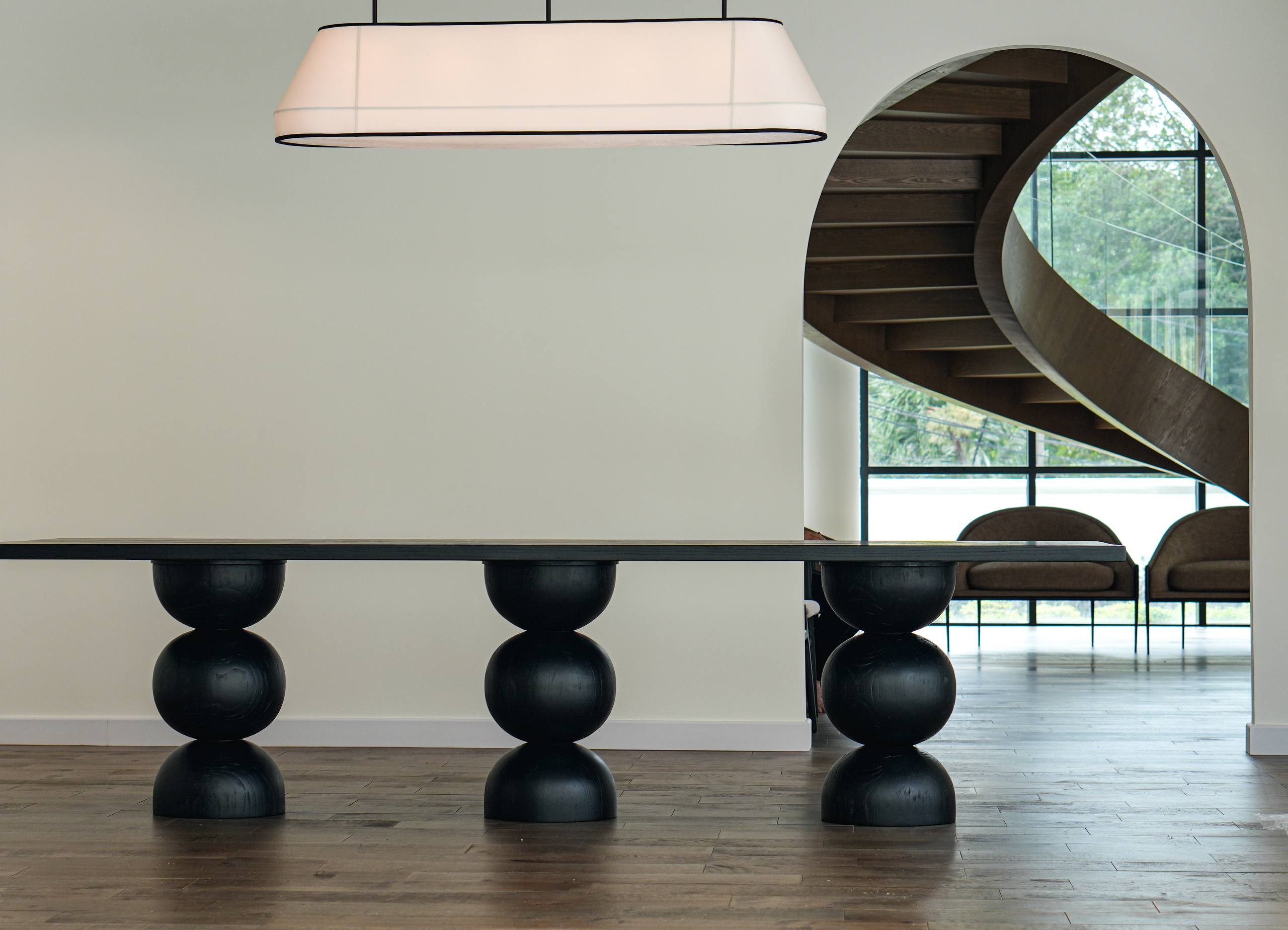
How to Choose the Right Dining Table in Malaysia
A dining table is often one of the first pieces chosen for a home and one of the hardest to replace once it is in place.
It needs to fit the room, seat the people you live with, work with your chairs, and still feel right years from now. For many homes in Malaysia, the challenge is finding a table that feels generous without making the dining area difficult to move around.
Whether you are choosing a round dining table for a condominium, a solid wood dining table for a family home, or a larger table for entertaining, these are the details worth considering before you decide.
Start with the space around the dining table
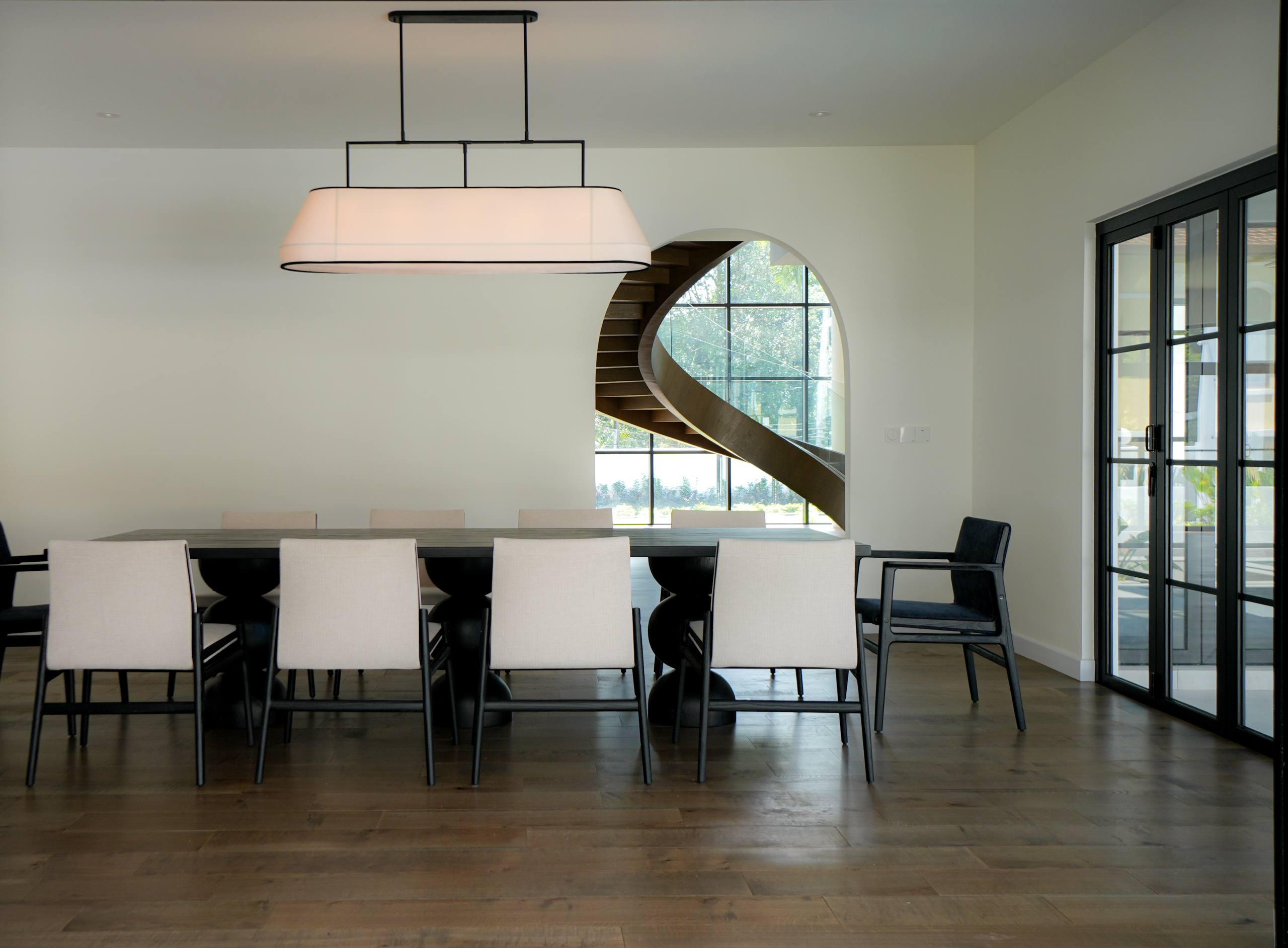
The table itself is only part of the footprint. You also need enough room to pull out chairs and walk around them comfortably.
As a general guide, allow at least 900mm of clearance from the edge of the dining table to a wall, cabinet or other furniture. If the dining area is also a main walkway, 1000–1200mm will feel more comfortable.
A dining table that technically fits can still make a room feel cramped if the chairs cannot be pulled back easily. This is especially important in apartments and open-plan homes, where the dining area often connects directly to the living space.
Choosing the right dining table size
The right size depends on how many people use the table most days—not only how many you hope to seat during a gathering.
For a rectangular dining table:
· 1400–1600mm is usually comfortable for four people.
· 1800–2100mm is suitable for six people.
· 2400mm and above works best for larger families or regular entertaining.
For a round dining table:
· 1200–1350mm diameter is comfortable for four people.
· 1500–1600mm diameter works well for six people.
· 1800mm diameter creates a generous setting for larger gatherings, provided the room allows enough clearance around it.
A round dining table can feel softer and easier to move around in a square room, while a rectangular table often makes better use of a longer dining area.
Round or rectangular: which dining table shape is better?
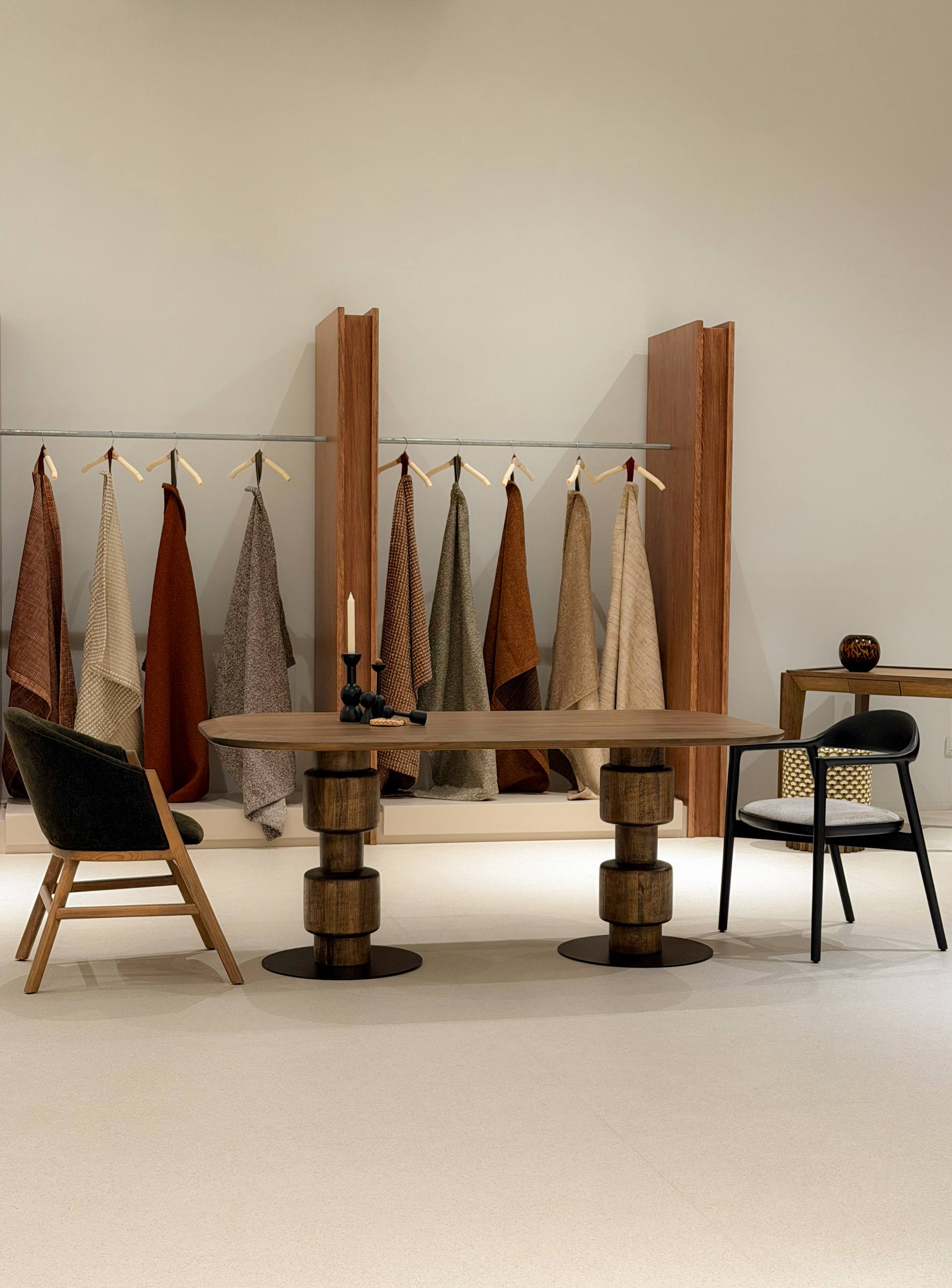
There is no single best shape. It depends on the room and how you use it.
A round dining table encourages conversation because everyone faces each other. It has no sharp corners, which makes it a practical choice for tighter walkways and young families. It also works particularly well when the room is square.
A rectangular dining table gives each person a clearer place setting and usually seats more people within a long space. It is often the more practical option for narrow dining rooms or for homes that regularly host family meals.
An oval table sits somewhere in between: softer in appearance than a rectangle, but still efficient for seating.
Solid wood, veneer or stone-top dining table?
Material changes both the look of a dining table and how it performs over time.
A solid wood dining table has natural depth, grain variation and a warmth that is difficult to replicate. Each top will carry its own markings and tone differences, which are part of the material rather than flaws. Timber can also be repaired and refinished when needed, making it a good long-term choice for many homes.
As a natural material, solid wood expands and contracts with changes in temperature and humidity. Over time, small surface checks, fine hairline cracks or slight movement along the grain may occur, particularly in Malaysia’s humid climate and air-conditioned interiors. These are natural characteristics of timber and do not usually affect the table’s strength or function.
Larger splits, unstable joints or structural damage, however, are not the same thing and should be assessed separately.
A veneer dining table uses a real timber surface over a stable engineered core. This allows for a cleaner, more consistent finish and is often useful for larger table tops, where stability matters. Veneer is not “fake wood”; its value comes from how it is constructed and finished.
A stone-top dining table brings a different kind of presence—cooler, more architectural and often more formal. Marble and natural stone will need more care around acidic food and drinks, while quartz and sintered stone offer a more practical alternative for everyday use.
The best dining table material is the one that suits how you actually live. A family that uses the table for every meal may value ease of maintenance; someone furnishing a more formal dining room may prioritise material character and visual weight.
Make sure your chairs work with the table
Dining chairs should not be an afterthought.
For a standard dining table around 750–760mm high, chairs with a seat height of around 440–450mm are generally comfortable. Consider the chair width too: armchairs take up more room, while armless chairs make it easier to seat an extra guest when needed.
You also do not need every chair to match exactly. A timber dining table can work beautifully with a mix of upholstered, rattan and wooden chairs when there is one element tying them together—similar tones, a repeated material, or a shared silhouette.
Choosing a dining table for your home
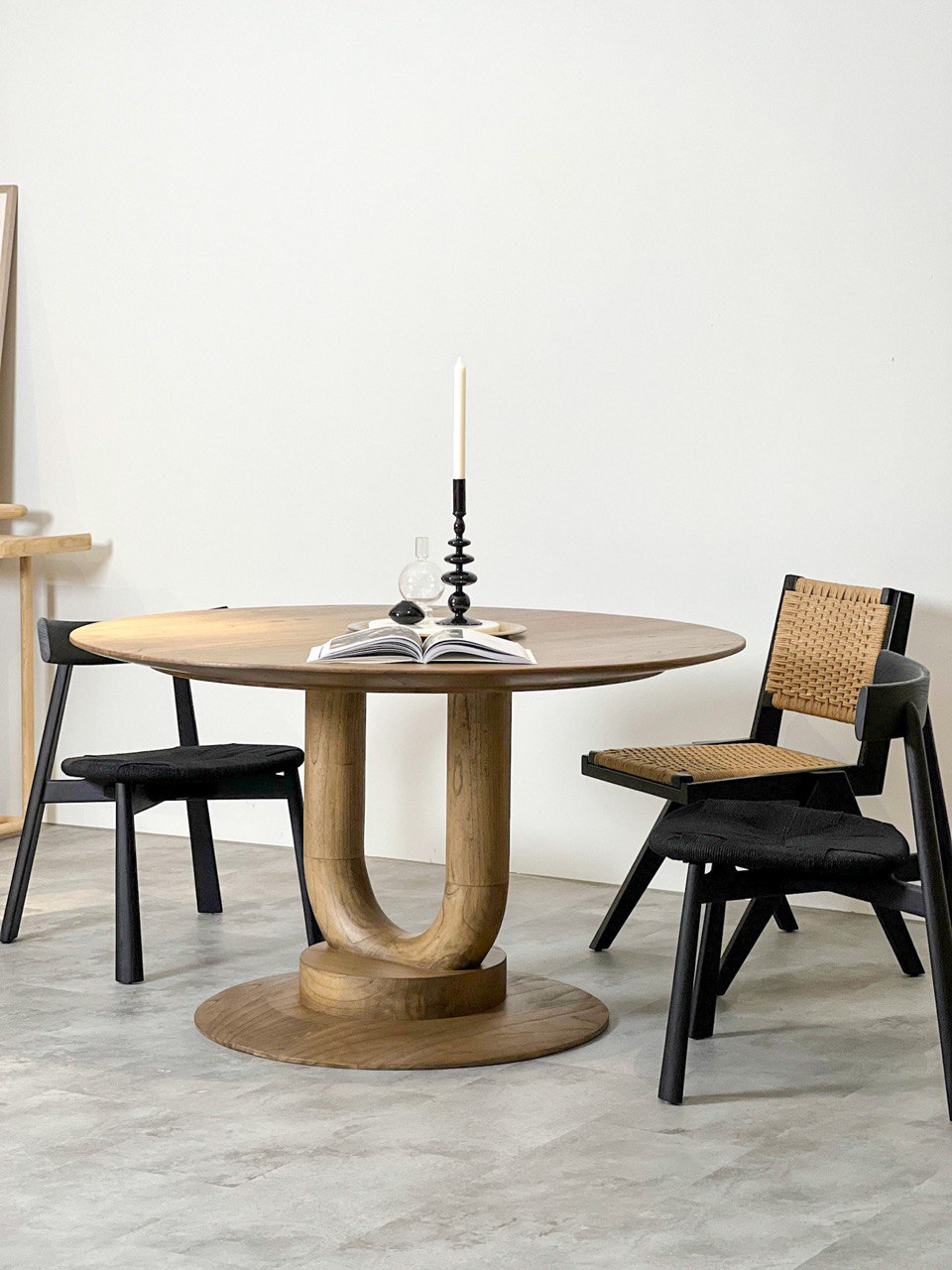
Before choosing a dining table in Malaysia, measure the room, consider how many people use it daily, and think honestly about how you entertain.
A good table should give the room structure without taking over the room. It should feel easy to sit around, easy to move around, and natural to live with.
At NicChris, our dining tables are available in a range of shapes, materials and sizes, from solid timber designs to stone-top options. Visit our showroom in Sungai Buloh to view the materials and proportions in person.
Frequently asked questions
What is the best dining table size for six people?
A 1800–2100mm rectangular dining table or a 1500–1600mm round dining table is usually comfortable for six people.
Is a round dining table good for a small dining area?
Yes. A round dining table has no corners and can be easier to move around in a square or compact dining space. The key is still allowing enough clearance for chairs.
Are solid wood dining tables suitable for Malaysia?
Yes, provided the timber is properly constructed and finished for indoor use. Natural grain variation, small surface checks and gradual changes in tone are normal characteristics of solid wood.
Should dining chairs match the dining table?
Not necessarily. Chairs can be mixed with the table as long as the overall proportions, tones and materials feel connected.